
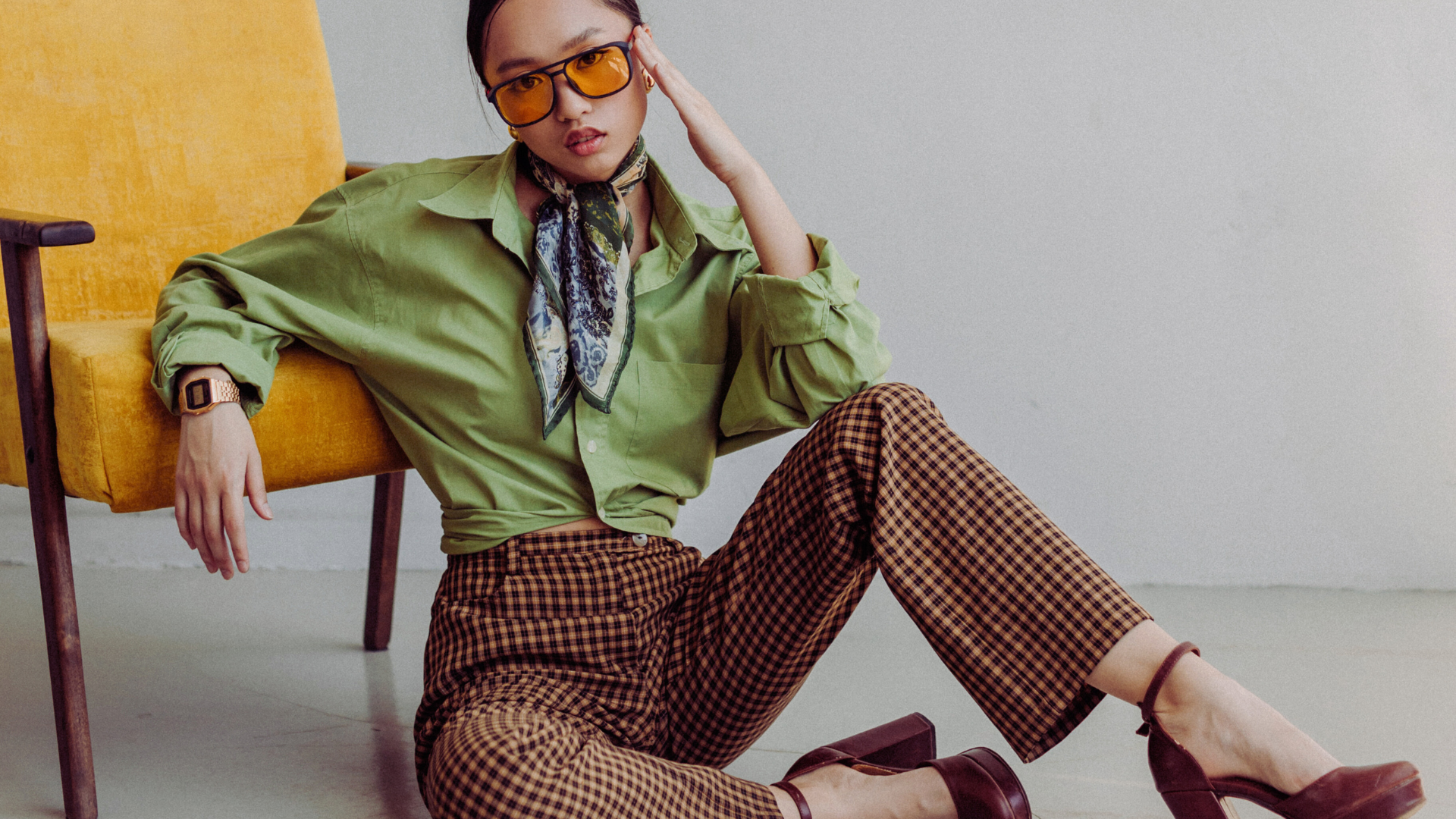
Mixing vintage with modern fashion offers a unique way to express individuality and creativity. This DIY approach allows individuals to blend classic pieces with contemporary styles, resulting in a wardrobe that stands out. By thoughtfully combining items from different eras, anyone can create an eye-catching look that tells a personal story.
Those embarking on this fashion journey will discover not only the aesthetic appeal but also the sustainability of repurposing vintage treasures. Incorporating vintage garments into modern outfits can breathe new life into forgotten pieces while minimizing environmental impact. With some basic DIY skills, anyone can transform the ordinary into extraordinary.
Exploring the art of mixing these styles can inspire confidence and innovation in personal fashion choices. Whether through simple alterations, creative layering, or accessorizing, the possibilities are endless. Embracing this eclectic mix can empower individuals to showcase their style while honoring the charm of the past.
Core Concepts of Mixing Vintage With Modern
Creating a successful blend of vintage and modern styles involves understanding how each element complements the other. Key aspects to consider include the reasons behind this fusion, how to achieve balance between different eras, and the importance of selecting timeless pieces.
Why Blend Vintage and Modern Styles
Blending vintage with modern styles appeals to those who appreciate both nostalgia and contemporary aesthetics. Vintage pieces often carry history and uniqueness, while modern designs offer current trends and functionality.
Incorporating vintage items can elevate a modern outfit, adding texture and depth. For example, pairing a vintage blazer with modern jeans combines tailored elegance with casual flair. This mix allows personal expression, showcasing individuality in fashion.
Finding Balance Between Eras
Achieving harmony between vintage and modern elements requires careful consideration of colors, patterns, and silhouettes. When mixing styles, select a dominant feature that sets the tone for the outfit.
For instance, if the foundation is a retro dress, balance it with contemporary accessories. Stick to a cohesive color palette to prevent clashing. Another technique is to alternate between classic and modern; combining a vintage skirt with a sleek, modern top balances eras without overwhelming the viewer.
Defining Timeless Pieces
Timeless pieces serve as the backbone of any well-curated wardrobe. These items maintain relevance across different styles and eras. Classic denim jackets, little black dresses, and tailored blazers are examples of versatile vintage and modern staples.
When selecting timeless pieces, consider quality and fit. Investing in high-quality vintage items ensures they withstand trends. Incorporating modern versions of these classics allows for easy pairing, creating endless outfit possibilities. Employing these pieces enhances the overall aesthetic, ensuring that the blend remains stylish and cohesive.
DIY Strategies for Creating Unique Looks
Creating a unique look by mixing vintage and modern pieces requires a thoughtful approach. By focusing on standout vintage items, contemporary staples, layered proportions, and a blend of textures, individuals can develop a distinctive style that reflects their personality.
Starting With a Statement Vintage Piece
Choosing a statement vintage dress or item sets the tone for the entire outfit. Look for pieces that have eye-catching details, such as unique prints, bold colors, or luxurious fabrics that evoke a sense of retro glam.
Using a vintage piece as the foundation allows for creativity in styling. Pair a vintage dress with modern accessories to bridge the gap between eras. Consider mixing styles, such as a 1960s shift dress combined with contemporary ankle boots. This blend creates a dynamic look while showcasing personal style.
Incorporating Contemporary Wardrobe Staples
After selecting a vintage piece, adding modern wardrobe staples can enhance the overall look. Basic items such as fitted jeans, blazers, or graphic tees work well with vintage dresses.
These contemporary pieces provide balance and familiarity. For instance, a classic white tee can tone down a bold vintage skirt. Alternatively, a tailored blazer can elevate a casual retro outfit. Versatile modern clothing ensures the outfit remains cohesive and stylish while allowing vintage pieces to shine.
Playing With Proportions and Layering
Proportions are crucial in achieving a well-balanced outfit. Mixing oversized vintage pieces with fitted modern items can create a harmonious silhouette. For example, a voluminous vintage skirt paired with a sleek fitted top emphasizes the waist.
Layering different pieces adds depth and interest. A vintage dress can be layered over a fitted turtleneck for a trendy look. Experimenting with lengths, such as pairing a short vintage jacket with a longer modern dress, can also generate visual intrigue. Layering enables a more complex aesthetic while maintaining comfort and style.
Balancing Textures and Fabrics
Combining various textures and fabrics enhances the overall appeal of an outfit. Pairing soft vintage fabrics like silk or lace with contemporary materials such as denim or cotton creates an engaging contrast.
Consider how fabrics interact; a flowy vintage blouse can complement structured modern trousers. Instead of sticking to a singular texture, mixing can bring out the best in each piece. A retro glam item, like a sequined vintage top, looks fresh when styled with casual modern pieces, ensuring the look feels updated and unique.
Enhancing Outfits With the Right Accessories
Accessories play a crucial role in elevating outfits, especially when blending vintage and modern styles. The right pieces can create balance, add interest, and showcase personal style.
Modernizing Vintage With Accessories
Incorporating modern accessories can breathe new life into vintage garments. A chic pair of contemporary sunglasses can shift the focus from the retro elements to a fresh, current vibe.
A sleek belt can define the waist on a flowing vintage dress, creating a streamlined look. Additionally, pairing a vintage skirt with a modern top can establish a striking contrast.
Opt for minimalist jewelry, such as geometric earrings or a delicate cuff, to avoid overwhelming vintage pieces. Keeping accessories balanced ensures that each element contributes to a cohesive, fashionable appearance.
Integrating Iconic Handbags and Silk Scarves
Iconic handbags instantly enhance an outfit’s appeal. A structured handbag with clean lines can ground a vintage ensemble. Opt for classic colors like black or beige for versatility.
Silk scarves serve multiple purposes; they add color, texture, and a touch of sophistication. A brightly patterned silk scarf can be tied around the handle of a handbag or draped around the neck for an elegant touch.
When integrating these accessories, it’s essential to consider the outfit’s overall color palette. A bold handbag can serve as a standout piece, while a silk scarf can bring harmony through complementary colors.
Mixing Jewelry and Footwear for Visual Harmony
Jewelry and footwear should work in tandem to enhance the overall outfit. Pairing chunky statement heels with a vintage dress introduces a modern edge, creating visual interest.
Gold or silver jewelry can provide elegance without overpowering vintage fabrics. Stacking rings or wearing layered necklaces can add depth while maintaining a fashionable balance.
Choosing footwear that complements jewelry can tie the look together. For example, metallic shoes can echo jewelry accents, creating a cohesive style. Mixing different textures can also enhance the outfit’s appeal while showcasing individual taste.
Sourcing Vintage Treasures and Personalizing Your Style
Exploring vintage fashion offers unique opportunities to find quality pieces and express individuality. By visiting various locations such as flea markets, estate sales, and thrift shops, one can discover treasures that can be customized to create a personal style.
Finding Quality Pieces at Flea Markets
Flea markets are thriving hubs for vintage enthusiasts. Each booth showcases a variety of items, from clothing to accessories.
Tips for Success:
- Arrive Early: Quieter hours often provide better selection.
- Inspect Items Carefully: Check for wear and tear to ensure the piece is worth the investment.
Vendors often have stories about their items, adding depth to purchases. Engaging with sellers may lead to discounts or hidden gems not advertised. Flea markets encourage exploration and serendipitous finds.
Exploring Estate Sales and Thrift Shops
Estate sales frequently present a curated collection of vintage items, reflecting the personal styles of previous owners.
Considerations:
- Timing: Attend on the first day for the best selection, but also consider second-day or clearance sales for deeper discounts.
- Negotiation: Bargaining is often acceptable, especially at estate sales.
Thrift shops, while more random, can yield valuable pieces. Regular visits increase the likelihood of discovering unique garments. Persistence is key, as inventory changes frequently.
Customizing and Upcycling Vintage Finds
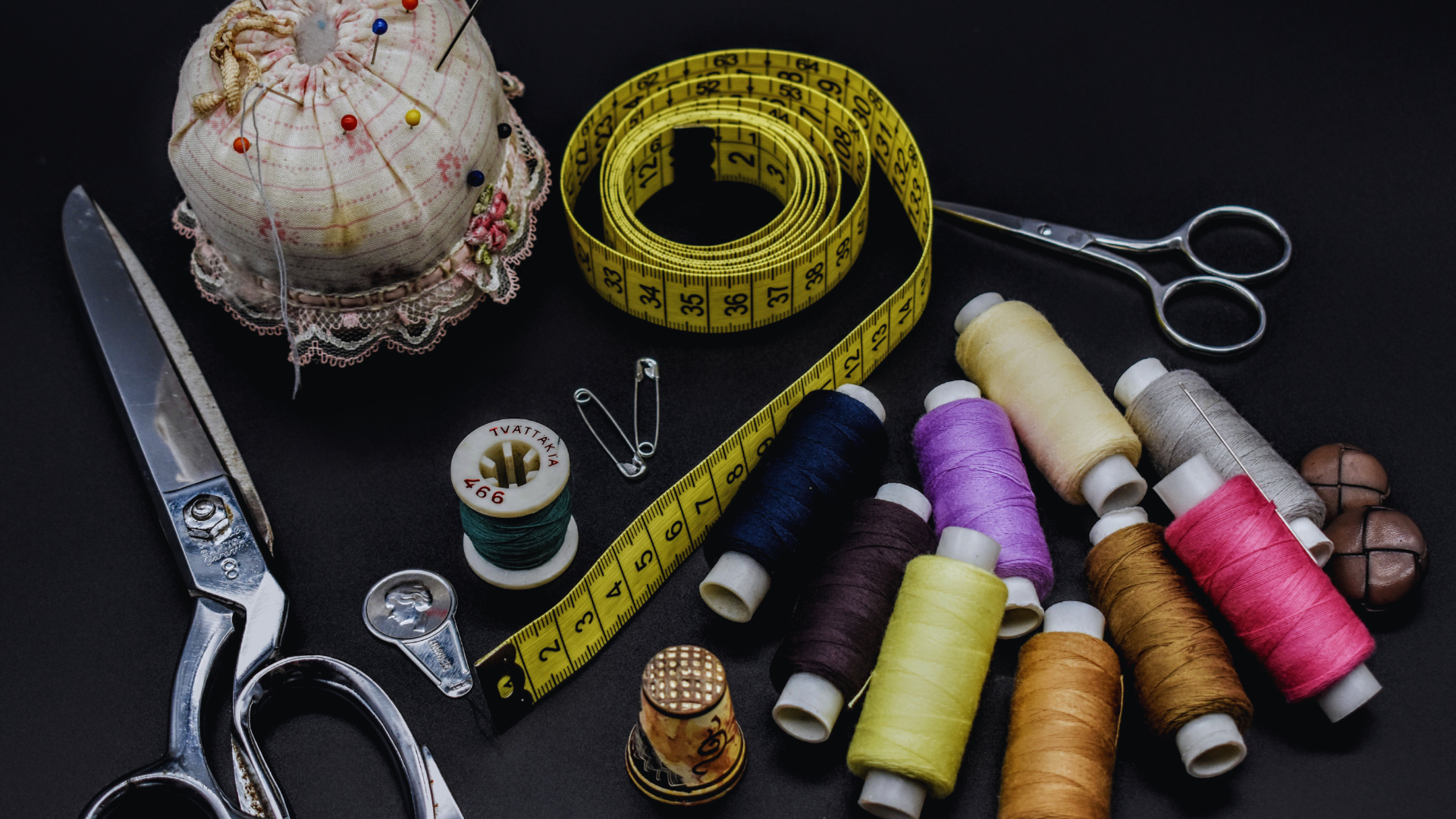
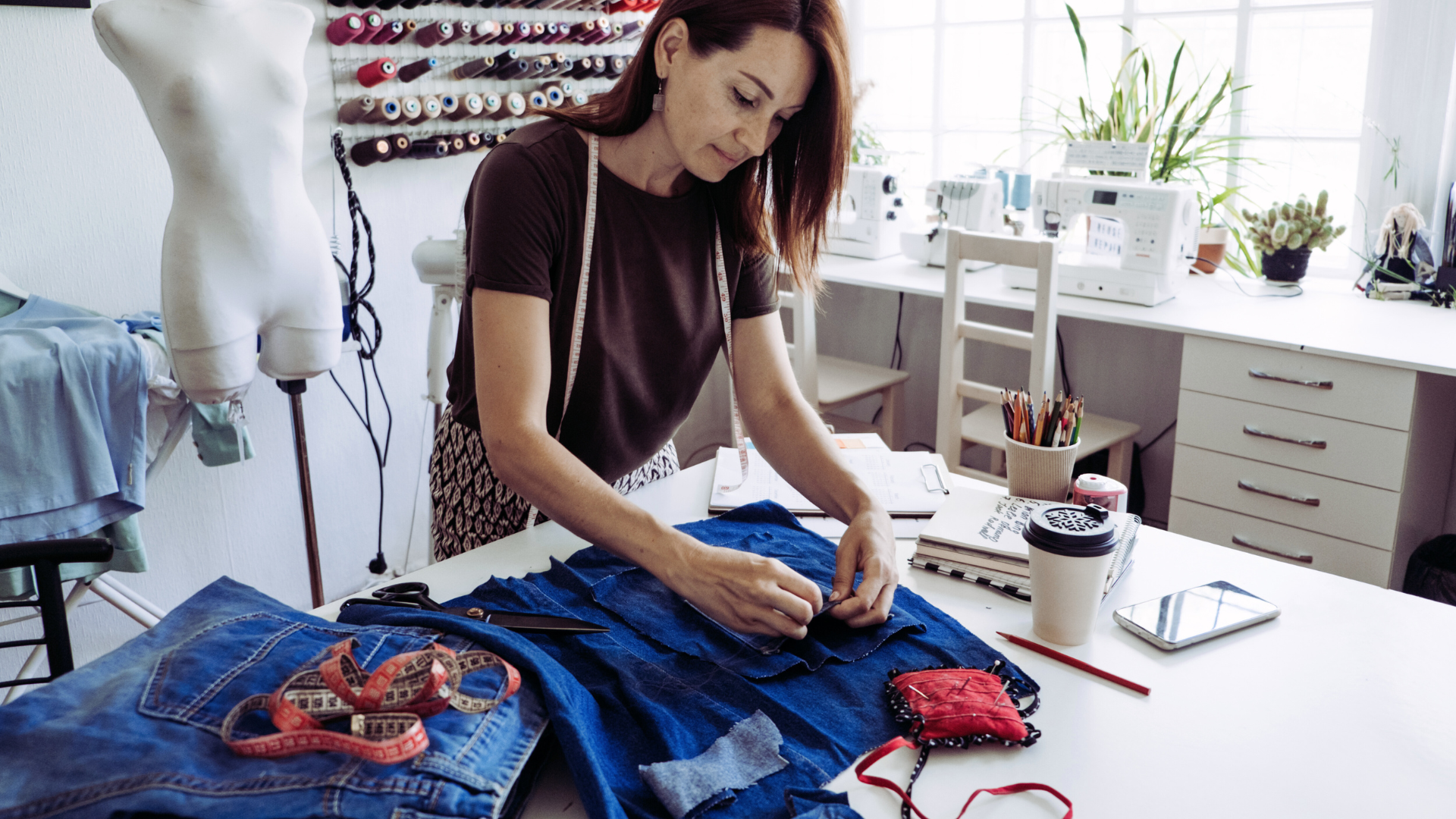
Customizing vintage clothing enhances personal style and breathes new life into old pieces. Simple alterations can make a significant impact.
Ideas for Personalization:
- Tailoring: Adjust fit for a more flattering silhouette.
- Add Embellishments: Use patches, embroidery, or fabric paint to transform basics into one-of-a-kind items.
Upcycling not only prevents waste but also encourages creativity. Repurposing or mixing elements from different pieces can yield exciting results. The combination of vintage finds with contemporary items can lead to standout outfits that reflect individual taste and flair.
Leave a Reply