
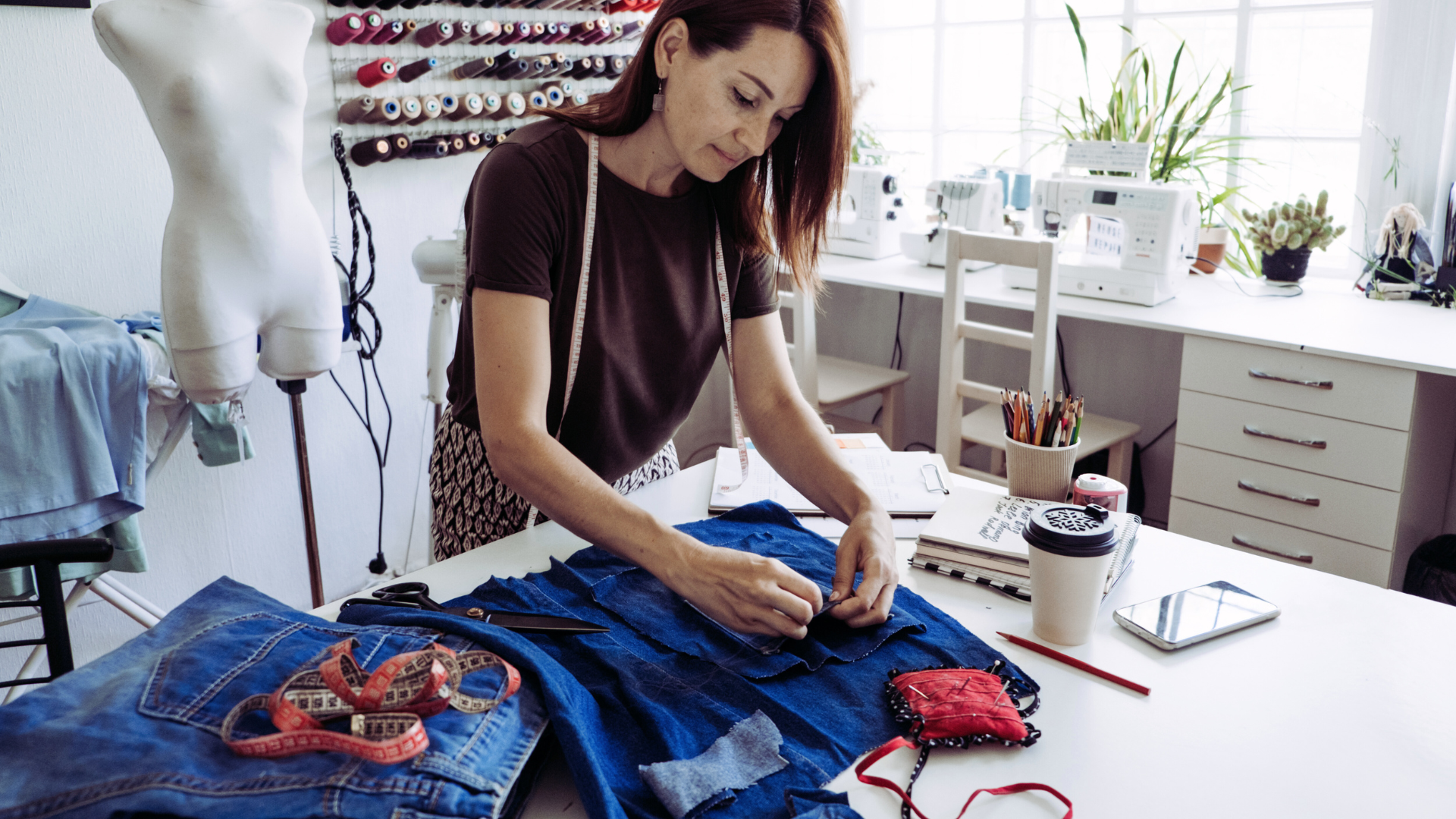
Many people are discovering the creative potential of repurposing old clothes into trendy new pieces. Transforming outdated garments can not only refresh a wardrobe but also contribute to sustainable fashion practices. This approach allows individuals to express their unique style while reducing waste, making it a practical choice in today’s environmentally conscious world.
With some basic sewing skills and a bit of imagination, anyone can turn a neglected outfit into a statement piece. From altering hemlines to transforming a dress into a chic top, the possibilities are endless. These DIY projects not only save money but also foster a sense of accomplishment.
As trends shift rapidly, repurposing clothing provides an opportunity to stay stylish without the need for constant shopping. This method encourages a personal touch, ensuring that each piece carries a unique story. Engaging in this creative process is not only rewarding but also a way to showcase individuality in fashion.
Why Repurpose Old Clothes Into Trendy New Pieces
Repurposing old clothes into trendy new pieces provides unique opportunities for expressing personal style and contributing to sustainable fashion. This process not only reduces waste but also allows for creative exploration through DIY fashion projects.
Benefits of Upcycling for Sustainable Fashion
Upcycling transforms unwanted clothing into stylish items, promoting sustainable fashion practices. It decreases dependency on fast fashion retailers, which often contribute to environmental harm. By choosing to upcycle, individuals can create custom pieces that reflect their personal tastes while supporting the environment.
Many people find joy in the creative aspect of upcycling. The process encourages innovation and craftsmanship, leading to a satisfying experience. From simple alterations to complex designs, the possibilities are endless.
Reducing Textile Waste and Environmental Impact
Textile waste is a significant contributor to environmental degradation. Annually, millions of tons of clothing end up in landfills, taking years to decompose. Repurposing clothing directly addresses this issue by extending the life of fabrics and reducing the demand for new resources.
By transforming old garments, individuals help mitigate their carbon footprint. Every piece upcycled represents a step toward a more sustainable fashion industry. Using pre-existing materials prevents the depletion of natural resources, making a significant impact over time.
Personalizing Style Through DIY Fashion
Repurposing old clothes allows for a unique fashion statement that is both personal and distinctive. DIY fashion promotes individuality and creativity, enabling one to experiment with styles that resonate personally.
Through simple sewing techniques or using embellishments, individuals can craft pieces they have always envisioned. This customization can lead to one-of-a-kind garments that stand out in a crowd. Furthermore, DIY projects can be a rewarding and educational experience, enhancing skills and building confidence in personal style choices.
Creative Ideas for Transforming Old Clothes
Transforming old clothes into fashionable new pieces can be both fun and rewarding. Each approach allows for personal creativity while giving garments a new life. Here are some specific ideas to consider.
Turning Jeans Into Denim Shorts
Old jeans can be easily converted into stylish denim shorts. Begin by determining the desired length. It’s best to cut a few inches longer than intended since denim often frays.
Steps:
- Mark the Cut: Use chalk to mark the desired hemline.
- Cut: Carefully cut along the line.
- Fray the Edges: To achieve a distressed look, wash the shorts and let the edges fray.
- Customize: Add patches or embroidery for a personalized touch.
This method not only refreshes old jeans but also keeps them in trend during warmer months.
Making Skirts From Dresses or Pants
Transforming a dress or pair of pants into a skirt can produce unique fashion pieces. This idea helps repurpose clothing that may no longer fit or be fashionable.
- Steps:
- Choose a Base: An oversized dress works well. Alternatively, use pants by cutting them.
- Cut and Rearrange: For a full skirt, cut the top off the dress or separate the pant legs. Attach and sew to create the desired fullness.
- Add a Waistband: Use fabric from the original piece or another fabric to create a waistband.
This process enables the creation of skirts that suit various occasions, ensuring old garments don’t go to waste.
Revamping Jackets With Embellishments
Old jackets can be revitalized through the application of embellishments, which adds a trendy flair. This technique allows for a personal touch while maintaining functionality.
Options for Embellishments:
- Patches: Sew or iron on fabric patches depicting favorite symbols or designs.
- Beads and Sequins: Hand-sewing beads or sequins onto pockets can enhance the jacket’s appeal.
- Paint: Fabric paint can be applied for a unique design, such as floral motifs or abstract art.
Through these methods, a simple jacket can become a statement piece suitable for various occasions.
Repurposing T-Shirts and Sweaters
T-shirts and sweaters can be transformed into a variety of new items. Common transformations include tote bags, scarves, or even tank tops.
Creative Ideas:
- Tote Bags: Cut the sleeves and neckline off a T-shirt. Sew the bottom to create a bag.
- Scarves: Cut an old sweater into long rectangles. These can be tied or twisted into fashionable scarves.
- Tank Tops: Cut sleeves off old shirts and lower the neckline for a breezy tank top.
Such transformations highlight creativity while making practical use of clothing that may not serve its original purpose.
DIY Techniques and Materials for Fashionable Upcycling
Repurposing old clothes can be a creative and fulfilling process. By utilizing specific DIY techniques and materials, one can transform garments into stylish, unique pieces that reflect personal taste.
Using Fabric Paint and Embroidery for Customization
Fabric paint is a versatile medium ideal for customizing clothing. Its variety includes spray paint, fabric markers, and stencils, allowing for intricate designs or bold statements. Select colors that complement each other to enhance the garment’s appeal.
Embroidery adds texture and a personal touch. A simple design, such as floral motifs or geometric shapes, can elevate a plain shirt or denim jacket. Consider using embroidery thread that matches or contrasts with the fabric to create eye-catching details. Starting with basic stitches like running or backstitch can make the process accessible for beginners.
Applying Patches, Trims, and Decorative Details
Patches are an effective way to cover stains or holes while providing a stylish flair. They can be ironed on or sewn directly onto garments, depending on the desired durability. Mixing various patch styles, from fabric to embroidered, can create a dynamic look.
Trims, such as lace or ribbon, can also be added to hems or cuffs for an enhanced aesthetic. They can redefine the silhouette and add sophistication. Using decorative buttons can refresh an old piece and offer functionality. Experimenting with the placement and mixing of different textures can lead to unique combinations.
Essential Tools and Supplies for Repurposing Clothes
Gathering the right tools is crucial for successful upcycling. Basic supplies include scissors, measuring tape, and pins for cutting and securing fabric. A sewing machine streamlines the process and offers precision.
Fabric adhesive can be a useful alternative for no-sew projects. A set of fabric paints and embroidery supplies should be on hand for customization. Investing in a quality iron and ironing board helps ensure crisp finishes. Essential tools, along with creativity, are key to transforming old garments into trendy wearables.
Maintaining a Sustainable Upcycled Wardrobe
Creating and keeping a sustainable upcycled wardrobe involves developing good habits and sourcing the right materials. These practices ensure that upcycling can continue to be a viable option for enhancing fashion while reducing waste.
Building Habits for Ongoing Upcycling
To maintain an upcycled wardrobe, it is crucial to build habits that encourage creativity and sustainability. Setting aside time each week to assess clothing items allows individuals to identify pieces that can be transformed.
Organizing a dedicated workspace can also streamline the upcycling process. This space should contain essential tools, such as sewing machines, scissors, and fabric glue. Regularly exploring new techniques helps keep the process fresh and engaging.
Tips for Habit Building:
- Schedule Time: Allocate specific days for upcycling activities.
- Keep Inspiration Close: Follow upcycling blogs or social media accounts for fresh ideas.
- Engage with Community: Join local upcycling groups to share experiences and gain insights.
Sourcing Quality Materials for Future Projects
Finding quality materials is vital for successful upcycling. Thrift stores, garage sales, and swap events are excellent sources for gently used clothing and textiles.
When selecting items, individuals should look for fabrics that are versatile and durable. Natural fibers, such as cotton or wool, can often be manipulated more easily than synthetics.
Guidelines for Sourcing:
- Inspect Items Closely: Check for stains, tears, or excessive wear that may hinder future projects.
- Think Versatility: Choose pieces that can be easily repurposed into multiple styles.
- Prioritize Sustainability: Favor items made from organic or eco-friendly materials when possible.
By adopting these habits and sourcing wisely, maintaining a sustainable upcycled wardrobe becomes an achievable, enjoyable practice.



Leave a Reply