
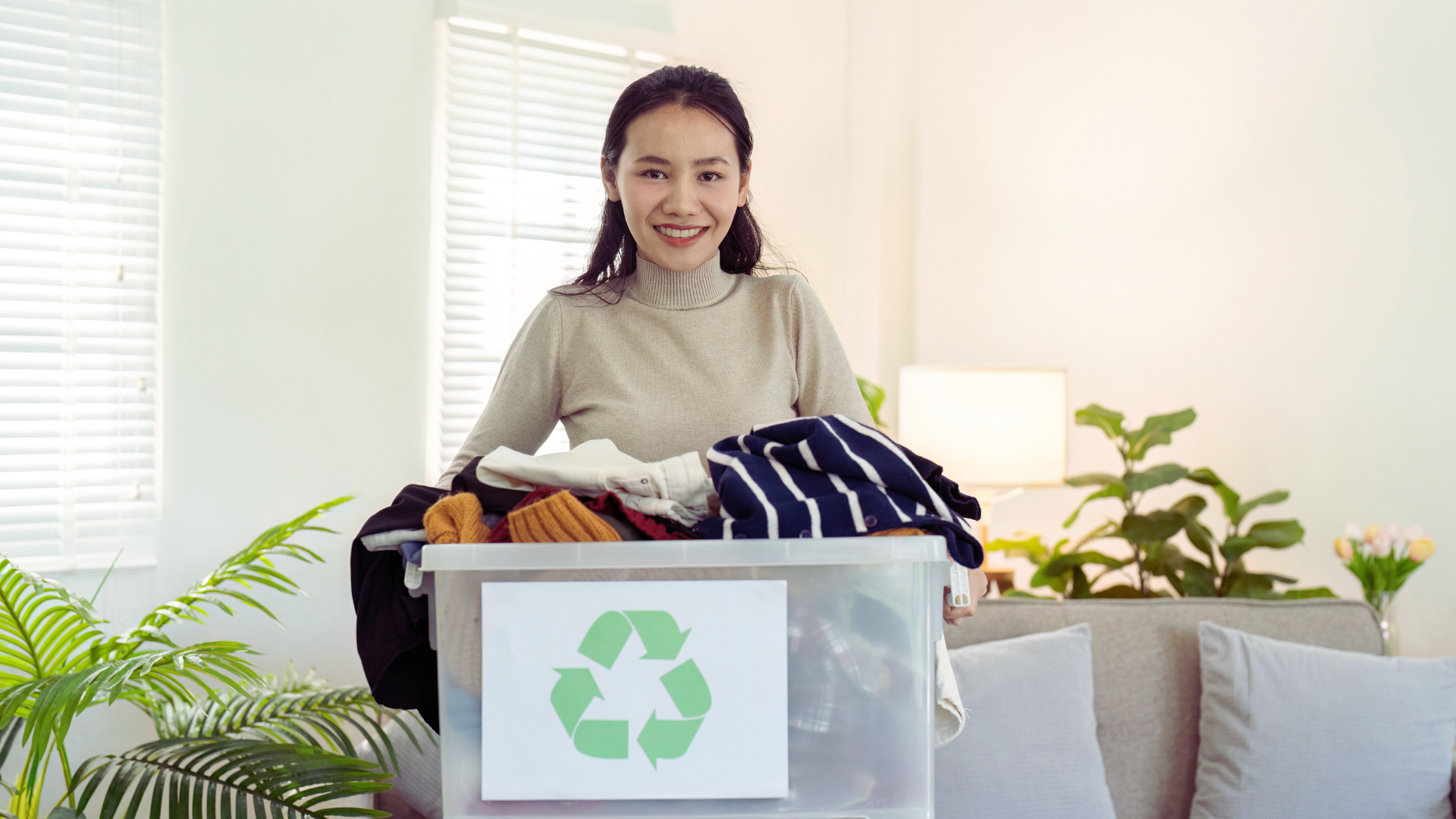
Many individuals seek ways to embrace sustainability in their daily lives, especially when it comes to fashion. By creatively using items they already own, they can reduce waste while maintaining their personal style. This approach not only benefits the environment but also encourages resourcefulness and a unique fashion sense.
Transforming a wardrobe doesn’t require a complete overhaul. Simple adjustments, like remixing outfits or accessorizing with forgotten pieces, can revitalize familiar attire. Emphasizing creativity over consumption leads to thoughtful choices and a more sustainable lifestyle.
This journey toward sustainable style begins with a fresh perspective on existing clothing and accessories. By recognizing the potential in what is already available, individuals can make stylish, eco-friendly choices without spending extra money or adding to their collection.
Benefits of Sustainable Style With Your Existing Wardrobe
Choosing a sustainable style by utilizing items already in one’s wardrobe provides various advantages. It minimizes waste, reduces environmental impact, and fosters a personal sense of responsibility toward fashion choices.
Reducing Your Fashion Footprint
Utilizing existing clothing significantly lowers one’s fashion footprint. The production of new garments often involves resource-intensive processes, contributing to substantial carbon emissions. According to the EPA, the textile industry is a major polluter, ranking among the highest in water usage and energy consumption.
By reimagining pieces already owned, individuals contribute to a reduction in demand for fast fashion. This shift can diminish the lifecycle of clothing, lessening manufacturing waste and fostering a culture of mindful consumption. Incorporating accessories or layering techniques can transform outdated outfits into fresh, stylish looks without acquiring more items.
Impacts on Plastic Pollution and Waste
Sustainability in fashion directly correlates with reductions in plastic pollution and waste. Many garments are produced with synthetic fibers, which pose lasting environmental threats. When clothing is discarded, these materials can take decades to decompose.
By extending the lifespan of existing wardrobe items, the need for new purchases decreases, leading to a decline in plastic-based clothing production. Keeping clothes in circulation through second-hand sales or donations also supports waste reduction, allowing others to benefit from previously loved items. This shift can improve local economies while reducing landfill contributions.
Personal and Environmental Advantages
Embracing sustainable style using one’s existing wardrobe involves personal growth and responsibility. It encourages creativity and resourcefulness, prompting individuals to explore new combinations and styles. This renewal of fashion can rejuvenate one’s sense of identity and self-expression.
Environmental advantages include contributing to decreased demand for new resources, protecting ecosystems, and reducing emissions associated with production and transportation. Supporting sustainable fashion fosters a community that values ethical practices, cultivates awareness, and champions a sustainable future for fashion.
Practical Tips for Refreshing Outfits With Items You Already Own
Revamping a wardrobe doesn’t require new purchases. By utilizing existing items creatively, anyone can create fresh looks that embody personal style while promoting sustainable fashion.
Mix and Match Outfits for New Looks
Changing the combination of garments can yield unexpected results. Start by identifying versatile pieces with neutral colors or patterns. This creates a foundation for various outfits.
Tips:
- Pair a classic white shirt with different bottoms: jeans, a skirt, or tailored trousers.
- Use a single dress in various ways: adding a belt, swapping between casual and formal shoes, or layering over a turtleneck.
Encourage experimentation where items are styled in ways that complement, rather than match, enhancing individuality. Create visual interest with unexpected combinations.
Get Creative With Layering and Accessories
Layering not only adds dimension but also extends the wearability of lighter pieces throughout different seasons. Adding layers can significantly change the look and feel of an outfit.
Suggestions:
- Combine a tank top with a button-up shirt or cardigan for warmth.
- Use oversized scarves, vests, or statement necklaces to transform basic outfits.
Revisiting accessories can breathe new life into older styles. A vibrant handbag or unique earrings can uplift a simple look. Experimenting with different accessories can redefine the mood, reinforcing personal style.
Rewear and Restyle Key Pieces
Certain items in a wardrobe are foundational. By reinterpreting these key pieces, anyone can create a range of styles.
Strategies:
- Rotate core items like blazers or jeans into new contexts or trends.
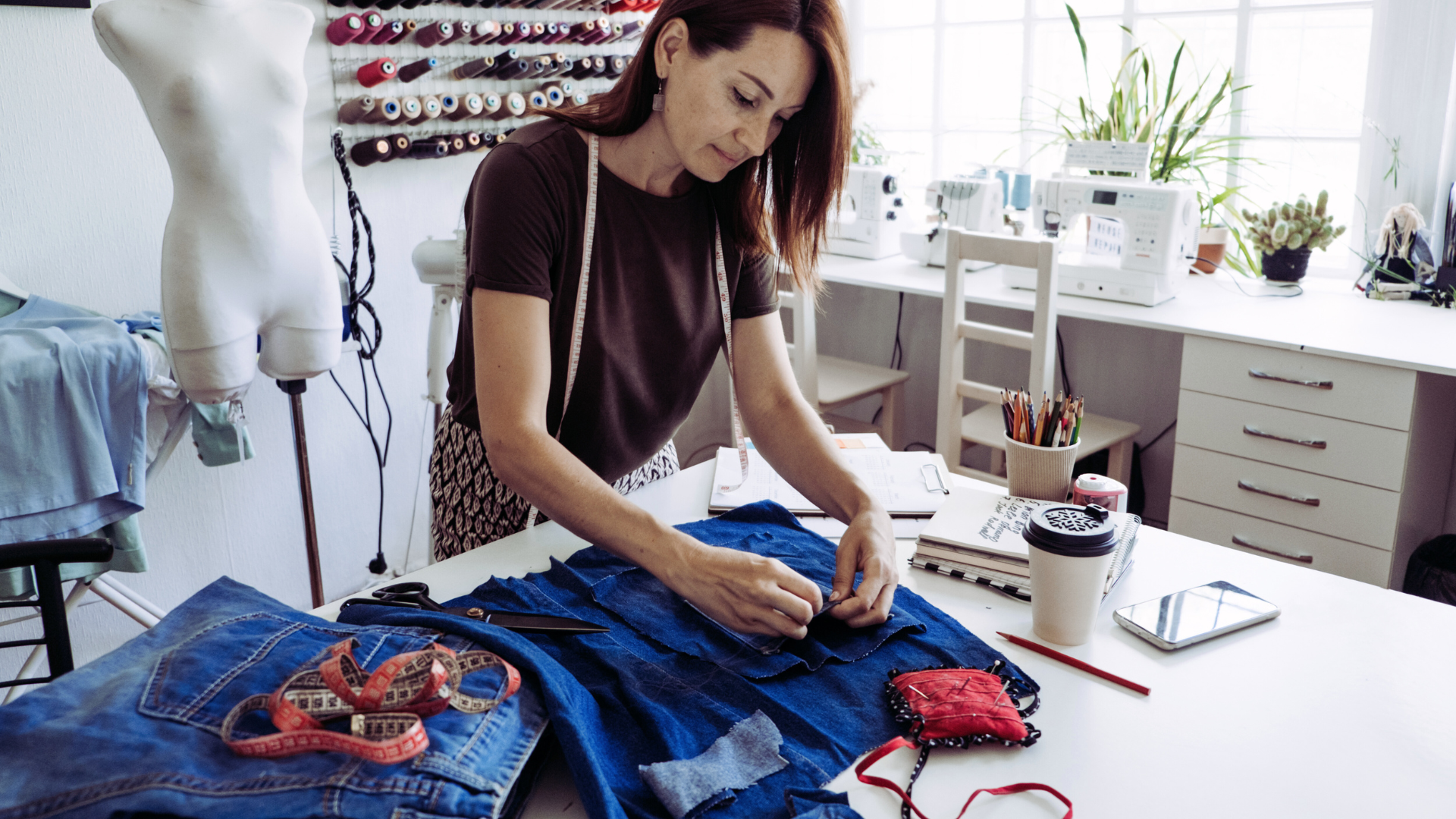
- Alter the fit or style by having clothing tailored or engaging in simple DIY adjustments.
Utilizing techniques like sewing patches or distressing can create a personalized touch. When cycling or engaged in active outings, restyling practical pieces ensures that fashion remains functional. Embrace creativity by viewing each item as a canvas for fresh outfits.
Clothing Care and Longevity Strategies
Maintaining clothing properly can extend its lifespan significantly. Effective washing, storage techniques, and repairs promote a sustainable wardrobe and reduce waste.
Proper Washing and Storage Practices
Washing garments with care is vital for sustainability. Using cold water and gentle cycles minimizes energy use and reduces wear. Selecting eco-friendly detergents can also protect fabrics and the environment.
When storing clothes, keep them in a cool, dry place away from direct sunlight to avoid fading. Use breathable garment bags for delicate items and wooden hangers for structure. Avoid overcrowding to prevent creasing and maintain garment shape. Regular inspection for signs of damage can help address issues before they worsen.
Repairing and Mending Clothes
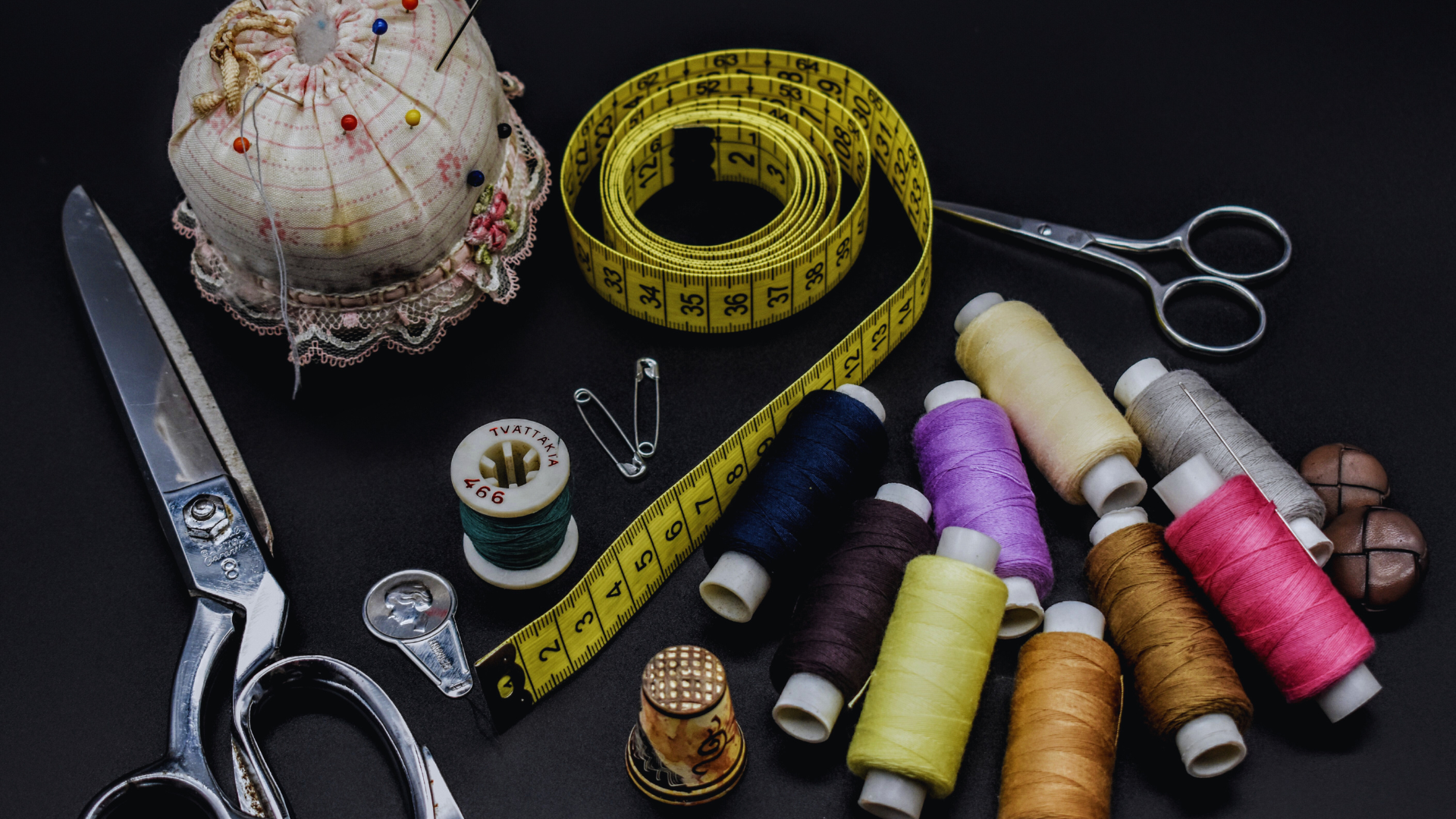
Repairing clothing contributes to a sustainable fashion approach. Simple techniques can revive worn pieces and reduce the need for new items.
Examples include:
- Sewing buttons: Replace lost buttons to keep shirts and jackets functional.
- Patching holes: Use fabric patches or embroidery to conceal and mend tears.
- Hem adjustments: Alter lengths to fit personal style changes and extend wear.
These strategies foster a sustainable wardrobe and emphasize quality over quantity, aligning with eco-friendly practices promoted by sources such as the EPA.
Choosing to Air Dry and Reduce Energy Use
Air drying clothes is an effective energy-saving strategy. Using a drying rack or line not only minimizes electricity consumption but also reduces wear and tear that comes from tumble drying.
Benefits include:
- Preservation of fabric quality: Lower heat prevents shrinkage and damage.
- Enhanced freshness: Natural air can help eliminate odors.
Incorporating air drying into a laundry routine supports the goal of reducing one’s carbon footprint and aligns with sustainable fashion principles.
How to Make Long-Term Sustainable Style Choices
Making long-term sustainable style choices involves selecting clothing that is both environmentally friendly and ethically produced. By choosing quality materials, identifying timeless pieces, and supporting fair trade practices, individuals can contribute to a more sustainable wardrobe.
Prioritizing Natural and Durable Materials
Choosing clothing made from natural materials is key to sustainability. Fabrics like cotton, linen, wool, and silk are not only biodegradable but also tend to be more durable.
- Organic cotton reduces harmful chemicals in the growing process.
- Linen is strong and requires less water than cotton.
- Wool is renewable and biodegradable, while silk can offer luxurious sustainability.
Opting for high-quality items made from these materials can minimize waste and encourage longer use. Regular maintenance, such as careful washing and storage, can further extend the life of these garments.
Identifying Timeless Staples in Your Closet
Timeless pieces form the backbone of a sustainable wardrobe. Items such as a classic trench coat, a well-fitted pair of jeans, or a simple white shirt never go out of style.
To build this collection:
- Focus on neutral colors that mix easily.
- Look for versatile cuts that suit multiple occasions.
- Invest in quality over quantity.
Thrift stores and platforms like Poshmark are excellent sources for finding these staples at a lower environmental impact. The goal is to create a cohesive wardrobe using what you already possess while avoiding fast fashion trends.
Supporting Ethical Production and Fair Trade
Ethical production practices ensure fair wages and safe working conditions for workers. By supporting brands that prioritize fair trade, consumers can make impactful choices in their shopping habits.
Choosing brands that provide transparency about their production processes can help buyers feel confident in their selections. Look for certifications that indicate fair trade practices and sustainable methods.
This conscious shopping approach not only supports ethical companies but also enhances the longevity of styles that won’t contribute to fast fashion’s cycle. Engaging with brands committed to fair wages promotes a healthier industry overall.


Leave a Reply