
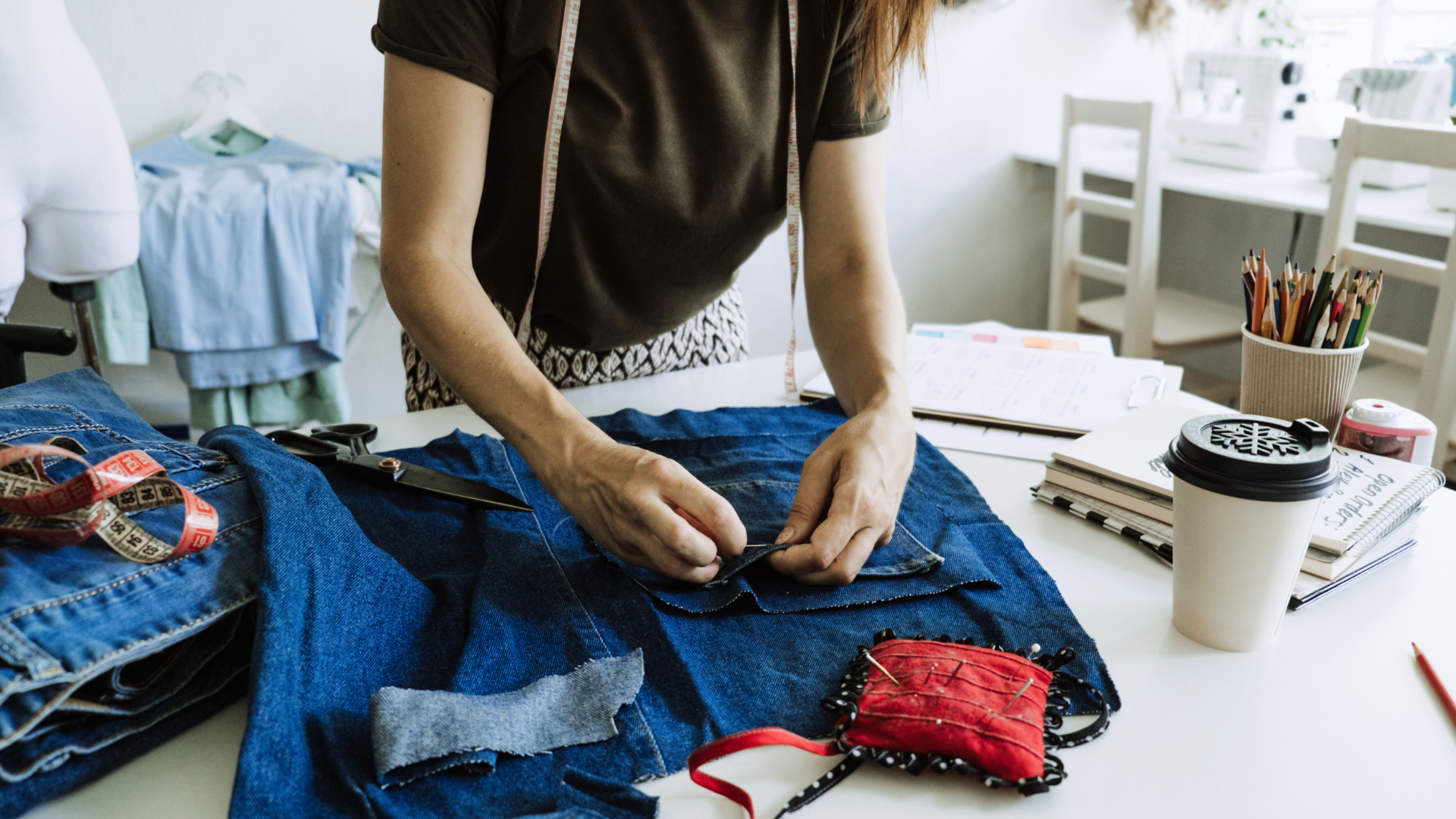
Upcycling fashion transforms unwanted clothing into stylish pieces, making it a sustainable and creative solution for closet clutter. With a growing emphasis on eco-friendly practices, this trend appeals to those eager to rejuvenate their wardrobes without contributing to waste. By repurposing items that might otherwise be discarded, individuals can express their unique style while promoting environmental responsibility.
The process of upcycling not only highlights personal creativity but also challenges traditional notions of fashion consumption. As individuals sift through their closets, they may discover hidden gems that can be altered or combined to create new looks. This approach not only saves money but also fosters a deeper appreciation for garments and the stories they carry.
Embracing upcycling can lead to innovative fashion choices that reflect one’s personality and values. As the conversation around sustainable fashion grows, many are discovering the joy of giving old items a second life. Ultimately, upcycling is a way to celebrate individuality while contributing to a more sustainable future.
The Essence of Upcycling Fashion
Upcycling in fashion encompasses creativity and sustainability, transforming unused garments into chic, wearable pieces. This approach not only minimizes waste but also promotes an eco-friendly lifestyle that counters the negative effects of fast fashion.
What Is Upcycling in Fashion?
Upcycling in fashion refers to the process of taking old or discarded clothing and repurposing it into something new and valuable. Unlike traditional recycling, which often breaks down materials to create new products, upcycling retains the original form and enhances it with creativity.
Examples include converting an oversized shirt into a stylish dress or turning jeans into a fashionable bag. This practice encourages individuality, allowing individuals to showcase unique pieces that reflect personal style while contributing to sustainability.
How Upcycling Differs From Recycling
Upcycling is distinct from recycling in its approach and impact. Recycling typically involves the breakdown of materials into raw components, often resulting in a loss of quality and detail. In contrast, upcycling retains the existing material’s integrity while adding new design elements to create an improved item.
For example, recycling might convert plastic bottles into fabric fibers, whereas upcycling would take that fabric and create a bag or accessory. Upcycling not only enhances aesthetics but also reduces the demand for new resources, minimizing environmental impact.
The Environmental Impact of Fast Fashion
Fast fashion significantly contributes to environmental degradation through excessive waste, pollution, and high carbon emissions. The industry promotes the rapid production of inexpensive clothing, leading to a culture of disposability.
By upcycling fashion, individuals can actively combat these effects. This practice helps reduce waste and lowers the carbon footprint associated with new garment production. Each piece that is upcycled represents a choice to prioritize sustainability and reduce the demand for fast fashion, fostering a more eco-conscious society.
Transforming Closet Clutter Into Chic Style
Transforming unwanted clothing into stylish pieces is a fulfilling way to refresh a wardrobe. This process not only promotes sustainability but also unlocks creativity. Shedding light on selection, tools, and simple ideas can make the upcycling journey accessible and enjoyable.
Getting Started: Assessing and Selecting Pieces
Before starting the upcycling process, it is essential to assess the existing wardrobe. She should begin by going through items and identifying pieces that have potential for transformation.
Key considerations include:
- Condition: Look for items that are still in good shape, free from major damage.
- Style: Identify pieces that resonate with personal taste, even if they feel outdated.
- Versatility: Choose items that can be easily modified into multiple styles or uses.
Once the selections are made, she can compile a list of her favorite pieces, considering what modifications may best enhance their appearance.
Essential Tools and Materials for Upcycling
Equipping oneself with the right tools simplifies the upcycling process. Essential materials include:
- Sewing Kit: Needles, thread, and scissors are fundamental for any alterations.
- Fabric Glue: Perfect for attaching embellishments or making quick repairs without sewing.
- Measuring Tape: Ensures accurate measurements for fitting adjustments.
Additional tools such as buttons, patches, and fabric dye can further enhance creative possibilities. Having a well-stocked workspace encourages experimentation and reduces frustration during the crafting process.
Beginner-Friendly Upcycling Ideas
There are several straightforward upcycling ideas suitable for those new to the craft. Here are a few to consider:
- T-shirt Bags: Transform old t-shirts into reusable bags by cutting and tying the bottom.
- Patchwork Denim: Use fabric scraps to create a unique patchwork design on jeans.
- Embellished Jackets: Add patches or fabric paint to existing jackets for a personalized touch.
These projects require minimal skills and offer immediate results. Each idea allows for self-expression while contributing to a more sustainable fashion practice.
Advanced Upcycling Techniques for Fashion-Forward Creators
Creativity and technical skills intertwine in advanced upcycling, allowing designers to transform neglected garments into fashion statements. By mastering complex techniques, creators can elevate their work while promoting sustainable practices.
Creative Methods for Upcycling Complex Garments
Advanced upcycling often involves intricate construction techniques. Taking apart detailed garments, such as coats or dresses, can reveal multiple components that can be reimagined. For example, a tailored blazer can be restructured into a chic crop jacket, with sleeves repurposed as accessories.
Utilizing fabric glue is essential in these projects to secure seams without sewing. Creators can also incorporate pleating and draping, which adds texture and movement. They can explore layering fabrics for a visually engaging look. Experimenting with color blocking alongside these methods enhances creativity and individuality.
Mixing Fabrics and Embellishments
Combining various fabrics allows for unique textural contrasts. A skilled creator may blend denim with silk or cotton with lace, producing striking visual effects. Selecting complementary colors and patterns will add depth and intrigue to any piece.
Incorporating embellishments is another advanced technique. Beads, sequins, and patches can rejuvenate garments while reflecting personal style. A denim jacket adorned with intricate embroidery or knitted patches not only tells a story but also elevates its aesthetic appeal. Careful placement and balance in design choices are critical.
Planning and Executing Statement Projects
Planning is crucial in advanced upcycling to ensure cohesive design. Creators should begin by sketching ideas or using digital tools to visualize outcomes. This helps in determining the best way to deconstruct and reconstruct garments.
A project may involve sourcing materials from multiple pieces, so careful selection is vital. Utilizing fabric glue for temporary holds can aid during the planning stage. The execution phase involves patience and precision, especially when balancing aesthetics with structural integrity. Quality finishes in seams, edges, and embellishments solidify the garment’s professionalism.
Building Sustainable Wardrobes for the Future
Creating wardrobes that reflect sustainability involves practical strategies to reduce waste and promote responsible consumption. These strategies emphasize upcycling, fostering a circular mindset, and encouraging innovation.
Reducing Carbon Footprint Through Upcycling
Upcycling plays a vital role in decreasing the fashion industry’s carbon footprint. By transforming existing clothing into new pieces, individuals can minimize the demand for new materials, which often require significant energy and resources to produce.
For example:
- Reuse: Taking old jeans and creating a stylish bag reduces landfill contributions.
- Restore: Updating vintage garments with modern designs ensures longevity.
- Repurpose: Clothing can be modified into home décor or accessories.
These actions contribute significantly to sustainability goals by lessening environmental impact.
Fostering a Circular Fashion Mindset
Cultivating a circular fashion mindset involves understanding fashion as a system, where products are designed to have multiple life cycles. This approach encourages consumers to think beyond initial purchases.
Key practices include:
- Swapping Events: These allow individuals to exchange clothing, extending the life of garments.
- Repair Workshops: Teaching skills to mend clothing fosters appreciation and reduces waste.
- Mindful Purchasing: Choosing high-quality items ensures longevity and supports responsible brands.
This mindset encourages consumers to view clothing as a valuable resource rather than disposable items.
Inspiring Innovation and Individuality in Sustainability
Sustainability inspires creativity and personal expression in fashion. Unique approaches to upcycling challenge individuals to innovate and showcase their styles.
Examples of innovative practices:
- Collaboration with Local Artisans: Customized pieces can tell unique stories while supporting local economies.
- DIY Projects: Individuals can personalize and modify garments, enhancing their connection to clothing.
- Sustainable Fabrics: Exploring eco-friendly materials like organic cotton or recycled polyester highlights creativity and environmental consciousness.
Through these efforts, individuals can cultivate a personal sense of style while contributing to a more sustainable future.



Leave a Reply