
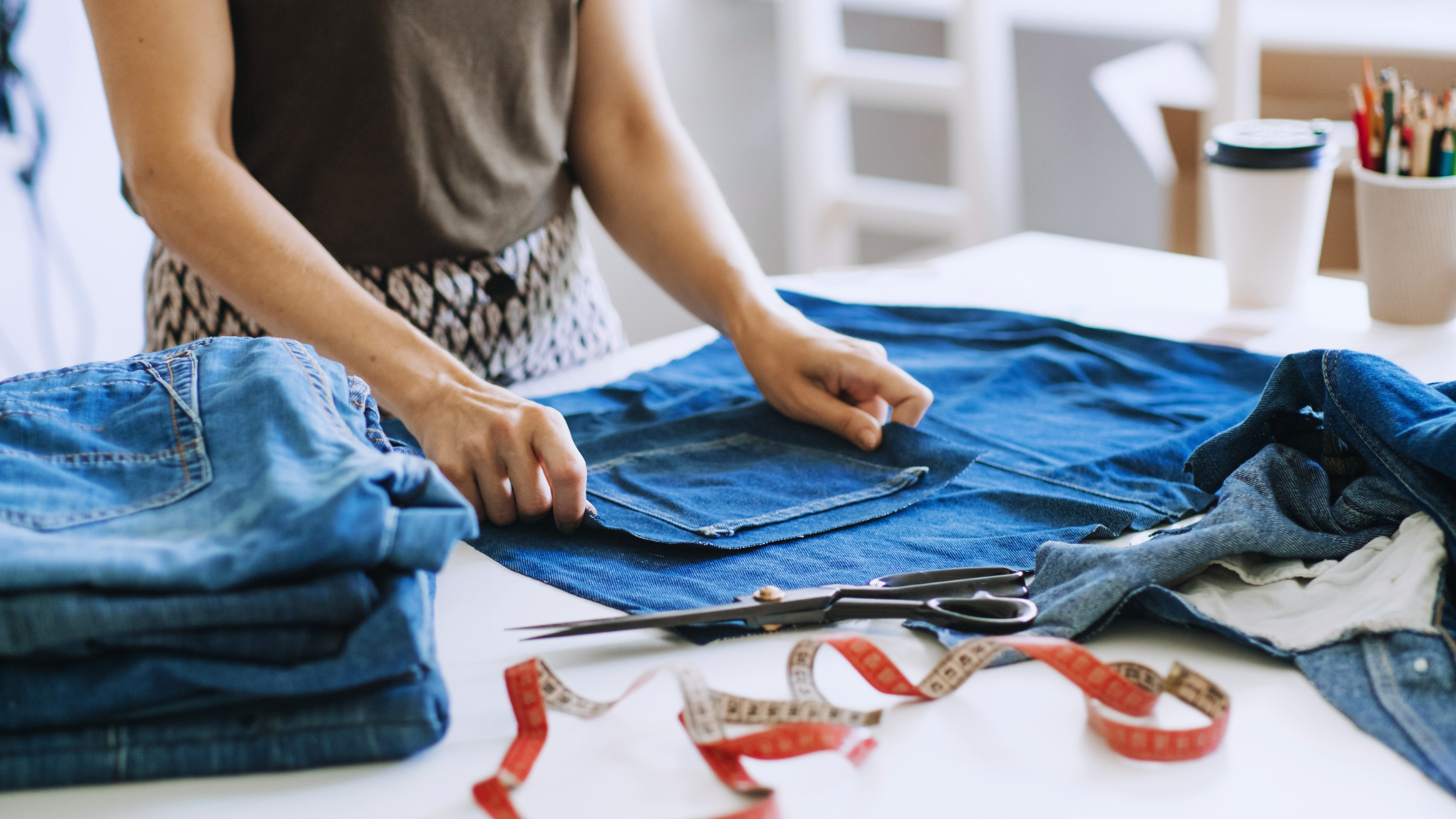
Upcycling old clothes not only provides a creative outlet but also contributes to a sustainable lifestyle. By transforming worn-out garments into unique pieces, individuals can reduce waste while expressing their personal style. This approach encourages the principles of reduce, reuse, and recycle, making it an ideal solution for those looking to minimize their environmental impact.
The process of upcycling allows for endless possibilities, from turning a faded shirt into a trendy tote bag to repurposing jeans into a chic skirt. This practice not only promotes sustainability but also inspires creativity, making it an engaging project for anyone interested in fashion and DIY. With the right ideas and techniques, old clothes can be given new life, reducing their journey to the landfill.
Exploring ways to upcycle can lead to discovering new skills and enhancing one’s wardrobe without spending a fortune. Sharing tips and tricks helps others in the community embrace this innovative practice, driving collective efforts towards a more sustainable future.
Benefits of Upcycling
Upcycling old clothes offers significant advantages, particularly in environmental sustainability and economic savings. By creatively reusing garments, individuals can contribute to reducing waste and actively participating in a circular economy.
Environmental Impact
Upcycling directly reduces textile waste, which is a major contributor to landfill overflow. The fashion industry accounts for a significant portion of global waste, with millions of tons of clothing discarded each year. By transforming old items into new products, individuals can divert these textiles from landfills, decreasing environmental harm.
Furthermore, upcycling minimizes the carbon footprint associated with producing new apparel. It conserves resources and reduces pollution by decreasing the need for new materials. The process often requires less energy and fewer chemicals compared to traditional recycling, making it a more eco-friendly choice.
Economic Advantages
Upcycling can lead to considerable savings for individuals. Rather than purchasing new clothes, he or she can repurpose existing garments, stretching their budget further. This practice not only promotes creativity but also results in unique, personalized items that can be more valuable than mass-produced alternatives.
Additionally, upcycled items can be sold or traded, creating potential income streams. This practice supports local economies and fosters a sense of community among crafters and sellers. Embracing upcycling encourages a mindset of resourcefulness, ultimately benefiting both individuals and society.
Exploring Upcycle Techniques
Upcycling old clothes involves various techniques that allow individuals to creatively transform garments, reducing waste and saving money. By applying sewing skills, utilizing no-sew methods, or adding unique embellishments, one can revitalize clothing in innovative ways.
Basic Sewing and Alteration
Basic sewing techniques can significantly enhance old clothes. For example, turning an old t-shirt into a fitted tank top only requires some cutting and sewing. Additionally, denim can be tailored to fit better or altered into stylish shorts.
Visible mending is another popular technique where patches or embroidery visibly repair worn areas. This not only fixes the garment but also adds character. Simple alterations can involve adjusting hemlines or adding darts for a better fit.
Using resources like online tutorials can provide step-by-step instructions for these sewing projects. Essential tools include scissors, needles, thread, and a sewing machine. Each of these techniques offers a practical method to refresh any wardrobe.
No-Sew Options
No-sew techniques offer creative solutions for those who may not be comfortable with sewing. For instance, turning an old t-shirt into a cute tote bag can be accomplished with a few strategic cuts and knotting.
Another popular no-sew idea is creating a denim dog toy. By cutting strips of leftover fabric and braiding them together, one can craft a durable plaything for pets. These methods are accessible and can yield impressive results without any sewing skills.
Utilizing fabric glue or iron-on tape can also secure seams and hems effectively. This allows for a greater range of creative expression while also being efficient. Such techniques empower individuals to give new life to worn items quickly.
Adding Embellishments
Embellishments can transform an ordinary piece into a statement item. Adding patches is a trendy approach to cover up holes or simply for aesthetic reasons. Available in various designs, these can reflect personal interests or styles.
Paint or fabric markers can also enhance clothing. A plain denim jacket can become a canvas for vibrant designs. Likewise, adding beads or sequins can create unique looks for old garments.
Layering different techniques increases creativity. For instance, combining painted details with patches offers a personalized touch. Small investments in embellishments can revamp an entire wardrobe while encouraging one’s self-expression through fashion.
Creative Projects for Upcycled Clothing
Upcycling old clothing offers a fantastic opportunity to create unique items while reducing waste. Focusing on t-shirts, denim, and sweaters can yield versatile projects that are both functional and stylish.
Transforming T-Shirts
Old t-shirts can be turned into various functional items. One popular project is creating tote bags. By cutting the shirt and tying off the bottom, a simple bag is formed. Another option is to use a Cricut machine to cut designs and apply them to new fabric items. Additionally, t-shirts can be transformed into a trendy shirt dress by gathering the fabric and sewing it into a flattering silhouette. This allows for personal style while repurposing garments.
Repurposing Denim
Denim is durable and offers various upcycling possibilities. A pair of jeans can be altered into a denim skirt by cutting and sewing the fabric. Patchwork designs add flair and are an excellent way to use scraps from other projects. Additionally, jean pockets can be sewn onto canvas bags to create functional storage. This method preserves the original material while giving it a new purpose. Denim’s sturdy nature makes it ideal for both fashion and utility projects.
Sweater Revival
Old sweaters often have a cozy texture perfect for upcycling. By converting a sweater into a scarf, one can enjoy warmth and style. Simply cut the sleeves and trim the body to the desired size, then finish the edges. Another innovative project involves creating decorative pillows. Sweaters can be sewn into pillow covers, adding charm to any home decor. Lastly, using sweater scraps can yield mittens or cozy headbands, ensuring no fabric goes to waste. Each of these projects emphasizes functionality and sustainability, enhancing the owner’s wardrobe.



Leave a Reply