
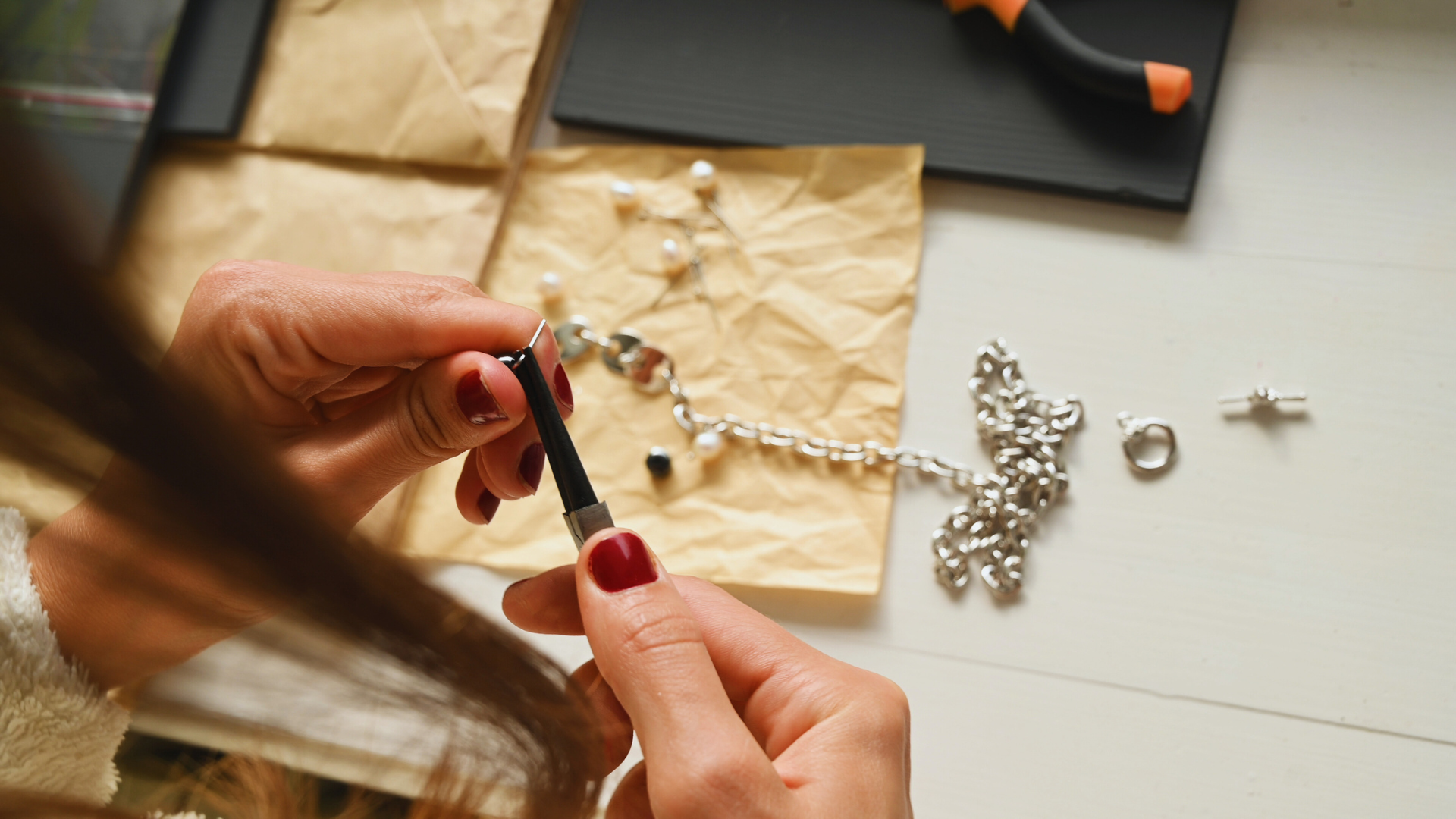
Creating jewelry at home can be an exciting and rewarding experience. With the right materials and tools, anyone can craft beautiful handmade jewelry that reflects their personal style. Whether a beginner or someone with some experience, DIY jewelry projects offer a chance to explore creativity and create unique pieces.
The process of jewelry making involves several steps, from planning designs to selecting appropriate materials. Those new to this hobby will find that starting with simple projects can build confidence and skill. As individuals gain expertise, they can experiment with different techniques and styles, ultimately enjoying the satisfaction of wearing or gifting their creations.
Home jewelry making not only provides a creative outlet but also serves as a cost-effective way to make personalized gifts or accessories. By understanding basic techniques and gathering essential tools, anyone can embark on this fulfilling journey into the world of handmade jewelry.
Essential Jewelry Making Tools and Materials
Creating jewelry at home requires the right tools and materials. Understanding what is essential can make the process smoother and more enjoyable.
Tools for Cutting and Shaping
Crafting jewelry necessitates specific cutting and shaping tools. Wire cutters are essential for snipping metal wire and chain to size. They ensure clean cuts, which are important for professional-looking pieces.
Pliers come in various types, including round-nose, flat-nose, and chain-nose. Each type serves a unique purpose, such as bending wire or opening and closing jump rings. Investing in high-quality tools enhances durability and precision.
A beading mat can help organize materials and keep beads from rolling away. Lastly, essential hand tools like files and sanding blocks are useful for shaping and finishing pieces, ensuring smooth edges for comfort.
Types of Beads and Their Uses
Beads are available in numerous types, each adding character to jewelry designs. Seed beads are tiny and come in diverse colors, ideal for intricate designs and embroidery. Their small size allows for detailed work in bracelets and necklaces.
Glass beads offer a range of shapes and finishes, from opaque to transparent options. They can add a vibrant touch and come in various sizes, making them suitable for different styles.
Natural stone beads provide an earthy feel and unique patterns, perfect for creating bohemian-style jewelry. Combining these beads allows for endless creativity in designs, giving each piece a personal touch.
Understanding Findings and Clasps
Findings are integral components in jewelry-making, connecting various elements together. Clasps secure the ends of necklaces and bracelets, ensuring comfortable wear. Popular types include lobster clasps and toggle clasps, offering both functionality and style.
Crimp beads are essential for finishing off strung jewelry. They secure the wire in place, preventing beads from slipping off. It’s important to use crimping pliers for a secure finish.
Jump rings and headpins also play crucial roles, enabling the attachment of charms and pendants. Each finding contributes to a cohesive design, ensuring that the jewelry is not only beautiful but also durable.
Basic Jewelry Making Techniques
Jewelry making involves a variety of techniques that can help create unique, personal pieces. Key methods include wire-wrapping, basic beading, and techniques for securing pieces together. Each approach contributes to the overall design and durability of the finished product.
Creating Simple Wire-Wrapped Pieces
Wire-wrapping is a fundamental technique that creates elegant designs. Jewelry wire, typically in copper or sterling silver, is often used for this process.
To start, cut a piece of wire around 6 to 12 inches long. Then, use round-nose pliers to create loops at one end. Next, add a bead or stone and wrap the wire around it. Secure it with additional twists of wire. This method works well for making simple wire-wrapped rings or pendants.
Practicing this technique enhances skills and opens the door to more intricate designs. Various wire gauges can be experimented with based on the desired strength and flexibility.
Beading Basics for Beautiful Designs
Beading offers endless possibilities in jewelry design. It involves threading beads onto a string or wire to create intricate patterns and styles.
Start by selecting desired beads and a matching thread or jewelry wire. For a beaded bracelet, cut the string to fit your wrist. String the beads onto the wire or thread, ensuring they align with your design choice.
To finish, secure the ends with a clasp or tie a strong knot if using elastic thread. Crafting beaded rings or stretch bracelets is straightforward, making this a popular choice for DIY jewelry making. Various bead types can be used to reflect personal style.
Securing Jewelry with Crimping and Knotting
Securing connections is crucial in jewelry making. Crimp beads and knotting are two effective methods to ensure durability.
Crimping involves using crimp beads to secure loose ends of wire. After threading the beads, place a crimp bead near the end. Then, use flat-nose pliers to flatten the crimp, securing the wire in place.
Knotting is commonly used for necklaces and bracelets made with string or thread. A simple overhand knot can secure beads, while a surgeon’s knot offers extra security. Learning these techniques enhances the longevity and quality of the jewelry made.
Assembling And Finishing Your Jewelry
Assembling jewelry requires precision and attention to detail. Key elements include adding jump rings and clasps, along with the option of personalizing pieces to create unique items.
Adding Jump Rings and Clasps
Jump rings are essential for connecting various components of jewelry, such as attaching charms or pendants to necklaces or earrings. To use them effectively, he or she should first choose the appropriate size based on the thickness of the pieces being connected.
- Select the Right Jump Rings: Common sizes range from 4mm to 12mm. Materials typically include gold or silver for a polished finish.
- Opening and Closing: Use pliers to gently twist the ring open; don’t pull it apart. After adding components, close the ring by pushing the ends back together.
- Attaching Clasps: For necklaces or bracelets, solid clasps ensure security. Lobster clasps are popular; they provide an easy and secure closure.
Creating Custom and Personalized Pieces
Personalized jewelry allows for individual expression. Adding initials, birthstones, or significant symbols can turn a standard piece into a treasure.
- Choose a Base: Simple gold or silver items work best for customization. Options like pendant necklaces or charm bracelets are ideal.
- Incorporate Unique Elements: Select charms or engrave names; he or she can add colored stones to enhance the design.
- Finishing Touches: Consider adding coatings to protect the finish. A sealant can enhance durability, especially for custom pieces exposed to wear.
This process not only showcases creativity but also provides meaningful gifts or personal reminders.
Project Ideas and Inspiration
Exploring various DIY jewelry projects can ignite creativity and provide unique gifts or personal accessories. Here are several specific ideas for earrings, necklaces, and bracelets to inspire anyone interested in jewelry making.
DIY Earring Designs
Creating earrings is a fun and accessible project. One can start with hoop earrings, incorporating colorful beads or charms for a personalized touch.
Another idea involves dangling earrings made from beading wire and crystals. These can be fashioned by threading beads onto the wire and securing them at the bottom with a loop.
Pearls can add elegance to simple stud designs. Use small pearl beads attached to earring posts for a classic look. This variety allows anyone to adapt the designs to their personal style and preferred materials.
Necklace Projects for Beginners
Necklaces are versatile and can range from simple to intricate designs. Beginners might start with a beaded necklace using a combination of gold chain and colorful beads. This project requires basic techniques like crimping beads and attaching clasps.
Another option is the pendant necklace, which can be created using a single focal piece, such as a large gemstone or an intricate charm.
For those who enjoy natural elements, using wooden beads strung together can create a unique statement piece. This style can cater to both casual and formal outfits.
Handmade Bracelet Ideas
Bracelets are great for experimenting with different styles. A beaded bracelet can easily be made by stringing assorted beads onto elastic cord, allowing for stretch and comfort.
Another popular project is the chain bracelet, combining links of gold chain with charms, which can be customized based on personal preferences.
For a more textured look, consider a wire-wrapped bracelet. Utilizing beading wire, one can coil around stones or glass beads, creating a unique design that stands out.
These bracelet ideas cater to various skill levels and provide room for creativity.



Leave a Reply