
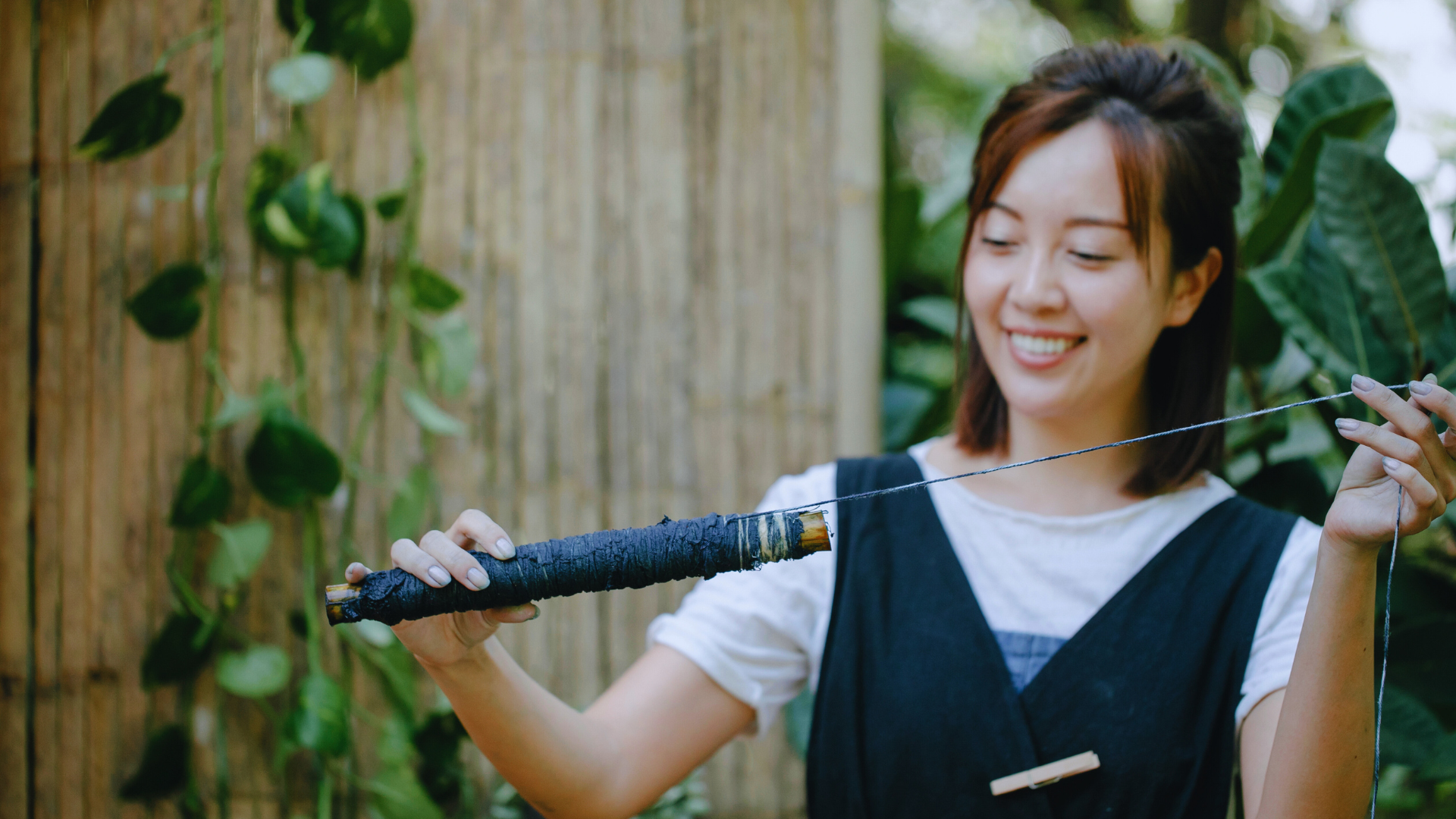
Exploring various fabric dyeing techniques opens up a world of creative possibilities for textile enthusiasts. From tie-dye to natural dyes, each method offers unique outcomes that can transform ordinary fabrics into vibrant works of art. Experimenting with different fabric dyeing techniques not only enhances creativity but also allows for personalization in fashion and home decor.
By diving into these methods, one can discover the distinct characteristics of each dye and how they interact with different types of fabric. This hands-on approach encourages innovation and problem-solving while providing a satisfying way to express individual style. Whether seeking to refresh an old garment or create something entirely new, understanding these techniques can make the process more engaging.
Ultimately, the journey of fabric dyeing is both educational and rewarding. It invites individuals to engage with materials in a tactile way, cultivating patience and attention to detail. This exploration fosters a deeper appreciation for the craft and empowers makers to infuse their personality into their creations.
Understanding Fabric Dyeing Fundamentals
Fabric dyeing involves applying color to textiles, enhancing their aesthetic appeal. Various types of dyes and dyeing methods cater to different fabric types, particularly natural fibers. Knowledge of these fundamentals is essential for achieving long-lasting, vibrant colors.
Different Types of Fabric Dyes
There are several categories of fabric dyes, each suited for specific materials and dyeing processes.
- Natural Dyes: Derived from plants, minerals, and insects, these dyes offer a wide range of colors but may require extensive preparation.
- Reactive Dyes: Suitable for cotton and other cellulose fibers, they form a chemical bond with the fabric, resulting in vibrant colors and good colorfastness.
- Acid Dyes: Best for protein fibers like wool and silk, these dyes work in an acidic dye bath to achieve rich, vibrant hues.
- Disperse Dyes: Primarily used for synthetic fibers, such as polyester, these dyes are finely ground and require heat to penetrate the fabric effectively.
Understanding these options is key to selecting the right dye for a project.
The Process of Dyeing Fabric
The dyeing process generally follows these steps:
- Preparation: Fabric must be pre-washed to remove any finishes that can hinder dye absorption. For natural dyes, mordanting might be necessary to improve color uptake.
- Dye Bath: The dye is mixed with water and sometimes salt or other additives to help fix the color. Each dye type has specific requirements for temperature and time.
- Application: The fabric is submerged in the dye bath, allowing it to absorb the color. He careful monitoring is crucial for achieving desired shades.
- Fixing Dye: After dyeing, fixing agents may be applied to enhance colorfastness, ensuring that the colors remain vibrant after washing.
Attention to these steps can significantly affect the final outcome of the dyeing project.
Exploring Traditional and Modern Dyeing Techniques
Various fabric dyeing techniques blend traditional artistry with modern innovation. This section delves into distinct methods that showcase unique patterns and effects, allowing for creative expression and experimentation in fabric dyeing.
The Art of Tie-Dye and Its Variations
Tie-dye, a vibrant and playful technique, involves folding and binding fabric with rubber bands before applying dye. This process creates bold patterns, from spirals to stripes, depending on the folding technique used. Variations like ombre effect can also be achieved by gradually applying dye along the fabric.
Modern tie-dye has evolved to incorporate different dye types, including natural and synthetic options. Techniques can be combined—such as immersion dyeing with tie-dye patterns—resulting in unique designs. The appeal lies in the unpredictability of the outcome, making each piece distinctive.
The Intricacies of Batik and Wax Resist
Batik, a centuries-old method, utilizes wax resist to create intricate designs on fabric. Artists apply hot wax to specific areas, preventing dye absorption. After dyeing, the wax is removed, revealing beautiful patterns. The process can also include multiple dye baths for added complexity.
This technique can incorporate rich colors and intricate motifs. The use of block printing or hand painting adds additional layers to the designs, allowing artists to personalize each piece. Natural dyes can also enhance the aesthetic, creating deeper, organic color palettes.
Shibori Dyeing: A Japanese Tradition
Shibori is a traditional Japanese dyeing technique known for its detailed patterns and textures. Various techniques such as nui (stitched), arashi (pole-wrapping), and itajime (folded and clamped) create unique designs. Each approach manipulates the fabric in different ways, producing diverse visual effects.
Unlike the randomness of tie-dye, shibori incorporates precision and skill in its execution. The resulting patterns often resemble clouds or waves, offering a tranquil aesthetic. This method can also be used with natural dyes, resulting in a harmonious blend of color and pattern.
Adventures in Ice and Dip Dyeing
Ice dyeing is a modern twist on traditional dyeing methods, involving the placement of fabric on a rack and covering it with ice. Dye is sprinkled over the ice, which melts and disperses the dye in unpredictable ways, creating stunning gradient effects. The result is often a watercolor-like appearance.
Dip dyeing, or ombre dip dye, involves submerging a portion of the fabric in dye, creating a gradual transition of color. This technique can also be paired with additional patterns, mixing different colors for a rich, layered look. Both techniques emphasize experimentation and creativity, yielding highly personalized results in fabric design.
Creative and Sophisticated Design Applications
Innovative dyeing techniques can elevate textile design, allowing for unique patterns and vibrant colors. By experimenting with various methods, designers can achieve sophisticated aesthetics in their creations.
Maximizing Color and Pattern in Textile Design
Designers can explore a range of fabric types, including cotton, silk, and synthetic fabrics. Each fabric reacts differently to dyeing techniques such as gradient dyeing or tie-dyeing. For example, gradient dyeing allows for a smooth transition between colors, creating an ombre effect ideal for fashion items or home décor.
Shibori dyeing offers intricate patterns through folding and binding, delivering a tactile quality to textiles. It is particularly effective on natural fibers. Utilizing methods like overdye can introduce depth to designs by layering colors, enabling stunning contrasting effects.
Exploration of repeated patterns with techniques such as ikat can enhance the complexity of designs, making them visually striking.
Applying Dye Techniques to Unique Projects
Creative projects can include anything from clothing to home accessories. A designer might opt for spray dyeing for a spontaneous look on larger pieces, such as curtains or upholstery. This technique provides an opportunity for artistic freedom and unexpected results.
Silk painting can be used for delicate items, allowing for detailed designs while maintaining a luxurious feel. Another intriguing method is marbling, which creates mesmerizing, swirling patterns that stand out in any setting.
Dip-dyeing is versatile for varying effects, particularly when used on garments or accessories, as it can produce both subtle and bold designs. Designers should remain open to experimenting with combinations of these techniques to achieve remarkable outcomes in their projects.



Leave a Reply