
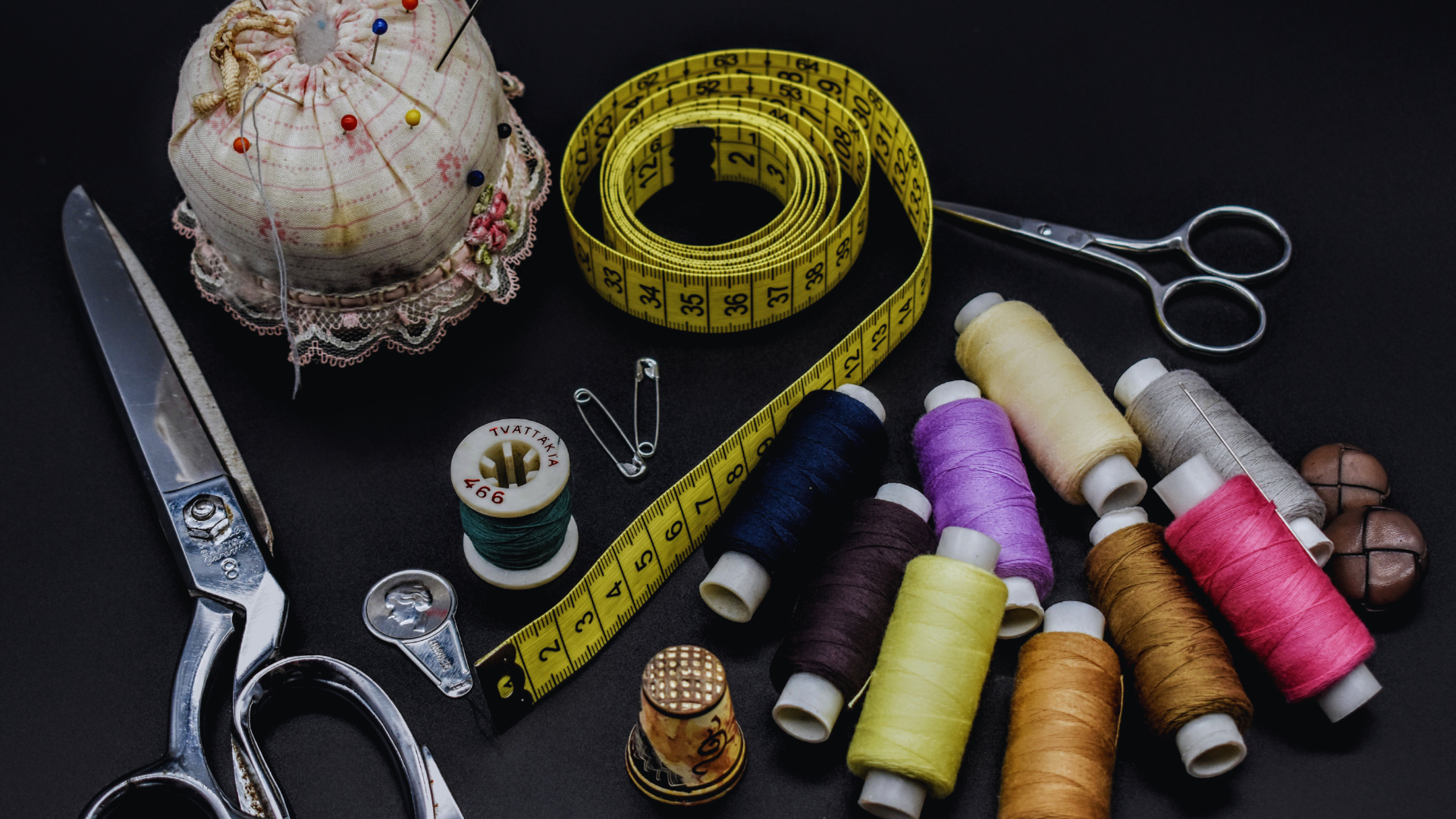
For DIY fashion enthusiasts, having the right tools can transform a creative vision into a stunning reality. Essential tools not only streamline the sewing process but also inspire creativity and experimentation in personal style. Whether accessorizing a basic outfit or crafting a one-of-a-kind garment, the right equipment enhances both efficiency and outcome.
Investing in high-quality, versatile tools can dramatically improve a DIY project. Items like sewing machines, fabric scissors, and measuring tapes are fundamental, but lesser-known tools can elevate the crafting experience. Each tool serves a unique purpose, aiding in precision and providing the confidence to tackle more ambitious designs.
Fashion DIY lovers should curate a toolkit that includes everything from basic sewing supplies to specialty items tailored for specific projects. By understanding the importance of each tool, individuals can empower themselves to take on new challenges in fashion design.
Essential Measuring Tools for DIY Fashion
Accurate measurements are crucial for successful DIY fashion projects. Utilizing the right measuring tools ensures precision in design and fit. Here are the essential tools every DIY fashion lover should have.
Measuring Tape and Rulers
A flexible measuring tape is fundamental for any DIY fashion enthusiast. It allows for easy measurement of curves and hard-to-reach areas. Most tapes are marked in both inches and centimeters, which provides versatility for various patterns.
Rulers are also important, especially for straight lines and precise edges. A clear plastic ruler often works best, as it allows the user to see the fabric beneath it while measuring.
Here’s a quick overview for selecting measuring tools:
- Tape Width: Wider tapes can be harder to handle in tight spaces.
- Length: A tape measuring at least 60 inches will accommodate most projects.
- Durability: Look for materials that resist wear and tear, especially if frequently used.
French Curve for Accurate Shaping
The French curve is a specialized tool designed for creating smooth, accurate curves in fabric patterns. It features various curves that help in drawing armholes, necklines, and hips accurately.
To use a French curve effectively, align it with the desired points on the fabric. This method allows the user to create professional-looking patterns with minimal effort. It is particularly valuable for more tailored garments, ensuring that every curve complements the wearer’s body shape.
Tip: For best results, practice drawing curves on scrap fabric before working on the final piece.
Dress Forms and Body Measurement Basics
A dress form is invaluable for fitting fabric designs. It serves as a 3D model, helping to visualize how the garment will drape and fit on an actual body. When choosing a dress form, consider adjustable options that allow for custom measurements.
Additionally, understanding body measurement basics is vital. Key measurements include:
- Bust: Measure the fullest part of the bust.
- Waist: Measure the natural waistline.
- Hip: Measure the widest part of the hips.
Using these measurements with a dress form can significantly enhance the fitting process, resulting in better-fitting garments.
Cutting Tools Every Fashion Creator Needs
Cutting tools play a crucial role in fashion creation. The right instruments can greatly influence the precision and ease of cutting fabrics, patterns, and details. Below are essential cutting tools every DIY fashion lover should consider.
Fabric Scissors and Precision Shears
Quality fabric scissors are fundamental for any fashion creator. They are designed to cut through fabric cleanly, which prevents fraying and ensures neat edges. Look for scissors with sharp, stainless-steel blades and ergonomic handles for comfort during prolonged use.
Precision shears are ideal for intricate cuts, especially when working with patterns. Their fine tips allow detailed maneuvering around curves and angles. It’s also vital to keep them sharp, as dull blades can lead to jagged edges. Maintaining a designated pair for fabric helps preserve its functionality.
Rotary Cutter and Cutting Mats
A rotary cutter is a favorite among experienced crafters. It provides a straight, consistent cut and is especially useful for cutting multiple layers of fabric simultaneously. Pairing it with a self-healing cutting mat protects surfaces while extending the life of the blade.
Rotary cutters often come with different blade sizes suitable for various thicknesses of fabric. The ability to rotate the cutter while maintaining a steady hand helps ease cutting complex patterns. A rotary cutter can significantly reduce the cutting time compared to traditional scissors.
Snips and Notchers for Detailing
Snips are small, handheld tools excellent for cutting threads and finishing edges. They offer precise control, making them valuable for detailed work like trimming seam allowances. Many fashion creators prefer spring-loaded snips for ease of use during lengthy sewing sessions.
Notchers help mark patterns and provide important alignment points without using pens or chalk. Notching fabric allows for better precision when sewing curves or darts. These tools, while often overlooked, add polish and professionalism to any DIY fashion project.
Sewing and Construction Must-Haves
To create stunning DIY fashion pieces, having the right sewing and construction tools is essential. This section explores critical items that empower every fashion lover to bring their creative visions to life.
Sewing Machines and Accessories
A quality sewing machine is the cornerstone of any sewing project. Key features to consider include adjustable stitch lengths, built-in stitches, and portability. Popular brands like Brother and Singer offer models suited for both beginners and experienced sewists.
Accessories such as an automatic needle threader, walking foot, and zigzag foot enhance versatility. Sewing machine oil and needle sets are also vital for maintenance and performance. Additionally, a sewing mat allows for precise cutting and layout, ensuring accuracy in fashion design.
Hand Sewing Essentials
Hand sewing remains a valuable skill, especially for fashion designers working on intricate details. Key tools include needles in various sizes tailored for different fabrics. A solid selection of thread in multiple colors provides flexibility for repairs and embellishments.
Investing in high-quality scissors and snips ensures clean cuts, which are crucial for polished projects. A thimble can protect fingers during labor-intensive tasks. Hand sewing kits, often containing an assortment of these essentials, are ideal for quick fixes or small projects.
Pins, Seam Rippers, and Finishing Basics
Pins are vital for securing fabric pieces before sewing. Dressmaker pins and safety pins serve different purposes, offering stability during construction. A reliable seam ripper is necessary for correcting mistakes, allowing designers to undo stitches without damaging fabric.
Finishing basics like bias tape, sergers, and edge stitchers provide professional touches to hemlines and seams. These tools create clean edges and improve durability. Knowing how to effectively use these finishing techniques enhances the overall quality of DIY fashion garments.
Creative Tools and Digital Solutions
A variety of creative tools and digital solutions enhance the DIY fashion experience. From traditional sketching methods to modern software, each tool plays a vital role in the design and creation process.
Sketchbooks and Drawing Materials
A high-quality sketchbook is essential for any fashion lover. It serves as a canvas for brainstorming design ideas. Using different drawing materials, such as colored pencils, markers, and watercolors, can bring sketches to life.
Key features to consider:
- Paper Quality: Look for thick, textured paper that can handle various mediums.
- Size: Choose between portable sizes for travel or larger ones for detailed work.
- Accessories: Incorporate tools like rulers and French curves for precision.
Sketchbooks provide a playground for creativity and serve as a visual diary documenting the evolution of fashion concepts.
Pattern Making Supplies
Creating patterns is fundamental to garment construction. Essential pattern-making supplies include:
- Pattern Paper: Lightweight paper allows for easy tracing and adjustments.
- Rulers and Grading Tools: Accurate measurements are crucial for sizing and proportions.
- Weights and Scissors: Weights stabilize pattern pieces on fabric, while sharp scissors ensure clean cuts.
A solid foundation in pattern making helps a DIY fashion lover turn sketches into three-dimensional creations, ensuring fit and form.
CAD and CLO Fashion Design Software
Computer-Aided Design (CAD) software has transformed the fashion industry. Programs like CLO provide advanced tools that streamline the design process.
Key benefits:
- 3D Visualization: Designers can view garments in 3D before creating physical samples.
- Fabric Simulation: CLO allows users to simulate different fabrics and textures, enhancing design accuracy.
- Efficiency: Digital designs can be easily modified, speeding up the workflow.
Being proficient in CAD and CLO software prepares a designer for the modern, digital-first landscape of the fashion industry.
Incorporating Lace and Trim
Lace and trim add elegance and detail to clothing designs. Several tools assist in their incorporation:
- Lace Templates: Pre-made templates help designers create consistent patterns.
- Sewing Tools: Specialty scissors and adhesive sprays ensure precise application.
- Embellishment Techniques: Techniques like layering and ruching can elevate the use of lace.
Mastering the art of embellishment not only enhances designs but also showcases creativity and attention to detail.

Leave a Reply